Japanese Thermal Reconditioning vs Keratin Treatment: Which One Should You Choose?
One is permanent and glass-straight, the other softens and grows out in months. The right choice is about result, suitability and commitment — not just duration.
The Fundamental Difference: Permanent vs Temporary
Japanese Thermal Reconditioning and a keratin treatment are both professional smoothing services — but they operate at completely different levels of the hair structure and deliver completely different results.
A keratin treatment works by infusing keratin proteins into the outer layer of the hair (the cuticle and cortex), filling porous areas and creating a humidity-resistant coating. The result is smoother, shinier, more manageable hair. The curl pattern is softened but not eliminated. And because the treatment sits within — not permanently bonded to — the hair structure, it gradually washes out over 3–4 months.
Japanese Thermal Reconditioning permanently restructures the hair's internal disulphide bonds. These bonds are what give your hair its natural curl. The reconditioning solution breaks them, the flat-iron sealing step reforms them in a straight alignment, and a neutraliser locks them permanently in that new position. The result: glass-straight hair that does not revert.
What the Results Actually Look and Feel Like
After a keratin treatment: Hair is noticeably smoother and less frizzy, with enhanced shine. Curls and waves are softened — manageable with minimal styling rather than non-existent. Daily blow-drying is significantly reduced. The hair still has movement and body.
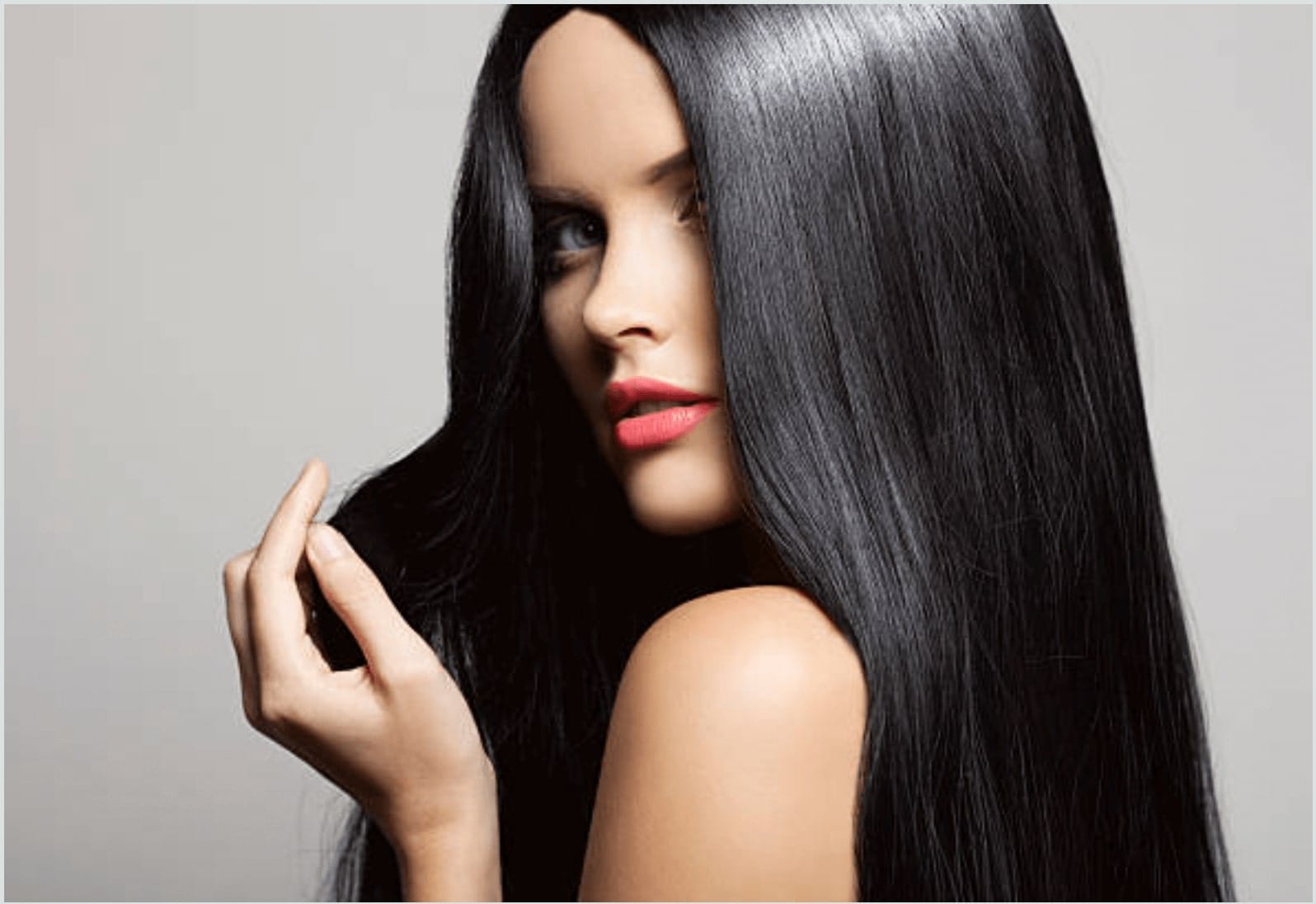
After Japanese Thermal Reconditioning: Hair is uniformly straight with a mirror-like shine. No waves, no frizz, no humidity-related swelling. No daily styling required on the treated lengths. The result is extremely sleek and polished — some clients describe it as the hair they always wished they were born with.
The keratin result reads as "healthier-looking, easier to manage." The Japanese straightening result reads as "perfectly, permanently straight." These are different goals, and the right choice depends entirely on which you are after.
Suitability: Which Hair Types Benefit Most from Each?
| Hair Profile | Recommended Treatment | Reason |
|---|---|---|
| Light to moderate frizz, wavy hair | Professional Latino Keratin | Frizz reduction is sufficient; no need for permanent change |
| Thick, coarse, resistant hair | Japanese Thermal Reconditioning | Keratin may not fully control very resistant texture long-term |
| Tightly curly hair wanting a straight result | Japanese Thermal Reconditioning | Keratin softens but does not eliminate strong curl patterns |
| Colour-treated or porous hair | Keratin or Nanoplasty | JP straightening requires healthy, non-compromised hair structure |
| Client wanting reversibility | Professional Latino Keratin | Grows out fully; no permanent commitment |
The Commitment Factor
Booking Japanese Thermal Reconditioning is a long-term commitment to permanent straightness. If you change your mind about the look, you cannot reverse it — you grow it out. This is not a reason to avoid the treatment if you know it's what you want. It is a reason to have a thorough consultation before proceeding.
Pierre Haddad Hair has been performing Japanese Thermal Reconditioning since 2003 — and in that time, the salon has declined to perform the treatment on clients whose hair condition or expectations made it unsuitable. An honest pre-treatment assessment is part of the service, not a sales barrier.
A keratin treatment, by contrast, grows out over 3–4 months. If you don't love the result, you simply don't rebook. The consequence of the wrong choice is a few months of outcome you don't prefer — manageable, not permanent.
Cost Comparison at Pierre Haddad Hair
| Treatment | Starting Price | Duration | Maintenance |
|---|---|---|---|
| Professional Latino Keratin | From $300 | 3–4 months | Rebook each cycle |
| Thermal Reconditioning | From $550 | Permanent (treated hair) | New growth touch-ups every 4–6 months |
| Japatino Treatment | From $700 | Permanent (treated hair) | New growth touch-ups every 4–6 months |
Read More at Pierre Haddad Hair
Frequently Asked Questions
What is thermal reconditioning for hair?
Thermal reconditioning (also called Japanese hair straightening or Japanese Thermal Reconditioning) is a permanent hair straightening process that chemically restructures the internal disulphide bonds of the hair using a specialised solution. A professional flat iron then seals the bonds in a new, straight alignment. The result is permanently glass-straight hair on the treated portions. It is one of the most technically demanding professional hair services and requires specialist experience to perform safely.
Which is better — Japanese straightening or keratin treatment?
"Better" depends on your goal. If you want permanently straight, glass-smooth hair with no daily styling on the treated lengths, Japanese Thermal Reconditioning is the right choice. If you want reduced frizz, improved manageability and a result that grows out naturally after 3–4 months, the Professional Latino Keratin is the better fit. Your stylist at Pierre Haddad Hair will assess your hair type, texture and goals at a complimentary consultation and recommend the most appropriate treatment for your specific needs.
Can I do keratin treatment after Japanese hair straightening?
Yes, in most cases. Once Japanese straightening has fully set (typically after the first 72 hours), the treated hair can receive a keratin treatment in future if you choose. Some clients opt for a keratin treatment on new growth before their formal new-growth straightening appointment to maintain smoothness across the entire length. Your stylist will advise on the appropriate timing and sequencing at consultation.
Does Japanese thermal reconditioning damage hair?
When performed by an experienced specialist on hair that has been properly assessed as suitable, Japanese Thermal Reconditioning does not cause damage. The key is that not all hair is suitable — severely bleached, over-processed or structurally compromised hair should not receive this treatment. Pierre Haddad Hair conducts a thorough assessment at every consultation and will not proceed with the service if your hair is not in a condition to handle it safely. The salon has been specialising in this technique since 2003.
Not Sure Which Smoothing Treatment Fits Your Hair?
Book a complimentary consultation at Pierre Haddad Hair, Shop 4, 255 Pitt Street, Sydney CBD. Your stylist will assess your texture and goals and recommend keratin or Japanese straightening honestly — with a no-surprise quote.